Early Orthodontic Treatment: What Parents Should Know

As a parent, you want to make sure your child’s teeth and smile are developing properly. But when should your child first see an orthodontist? Does every child need braces at a young age? And what exactly is early orthodontic treatment?

At Rockaway Beach Orthodontics & Pediatric Dentistry, we help families throughout Rockaway Beach, Queens, Howard Beach, Belle Harbor, Lawrence, Linwood, and surrounding communities understand their children’s developing smiles and determine when orthodontic care may be beneficial.

The good news is that an early orthodontic evaluation does not necessarily mean your child needs braces right away. In many cases, the purpose of an early visit is simply to monitor your child’s growth and determine the ideal time for treatment.

What Is Early Orthodontic Treatment?

Early orthodontic treatment, sometimes called interceptive orthodontic treatment, takes place while a child still has some baby teeth. Rather than waiting until all of the permanent teeth have erupted, an orthodontist can evaluate how the teeth, jaws, and bite are developing and, when appropriate, intervene at the right stage of growth.

The American Association of Orthodontists (AAO) recommends that children have their first orthodontic check-up no later than age 7. At this age, many children have a combination of baby and permanent teeth, giving an orthodontist an opportunity to identify developing orthodontic concerns.

That doesn’t mean every 7-year-old needs orthodontic treatment. In fact, many children simply need periodic monitoring until they are older and ready for treatment.

Why Is an Early Orthodontic Evaluation Important?

Some orthodontic problems are easier to address while a child is still growing. An early evaluation allows an orthodontist to assess the development of the teeth and jaws and determine whether treatment should begin now, later, or not at all.

According to the AAO, certain problems may benefit from treatment during growth, including issues involving jaw development, crossbites, significant crowding, and impacted or improperly erupting teeth.

Early diagnosis can also give parents a better understanding of what to expect as their child’s permanent teeth come in.

Signs Your Child May Need an Orthodontic Evaluation

You may want to schedule an orthodontic evaluation if you notice:

  • Crowded or overlapping teeth
  • An overbite or underbite
  • A crossbite
  • Teeth that don’t come together properly
  • Difficulty biting or chewing
  • Teeth that are erupting in unusual positions
  • Significant spacing between teeth
  • A jaw that shifts when your child bites down
  • Frequent cheek or roof-of-the-mouth biting
  • Baby teeth that are lost unusually early or remain in place longer than expected
  • Thumb, finger, or pacifier habits that may be affecting dental or jaw development

Some orthodontic problems aren’t obvious to parents. Even when your child’s teeth appear relatively straight, the relationship between the upper and lower jaws and the way the bite functions may still require evaluation.

Does Early Orthodontic Treatment Mean Braces?

Not necessarily.

One of the biggest misconceptions about early orthodontic evaluations is that an orthodontist will automatically recommend braces. In reality, treatment timing depends on your child’s individual dental development, jaw growth, bite, and specific orthodontic needs.

Some children may benefit from early treatment, while others are better served by waiting until more permanent teeth have erupted.

An orthodontist may recommend simply monitoring your child’s growth and checking periodically. The AAO specifically notes that an orthodontic check-up and starting orthodontic treatment are two different things.

What Problems Can Early Treatment Address?

Depending on your child’s individual needs, early orthodontic treatment may help address problems such as:

Crossbites

A crossbite occurs when some upper teeth bite inside the lower teeth. If left untreated, certain crossbites can affect how the jaws develop and how the bite functions.

Crowding

When there isn’t enough room for permanent teeth to erupt properly, early intervention may help manage available space and guide developing teeth.

Underbites

An underbite occurs when the lower teeth sit in front of the upper teeth. Depending on the child’s age and development, early treatment may be considered to address the developing bite.

Jaw Development

Because children are still growing, orthodontists can evaluate the relationship between the upper and lower jaws and determine whether growth guidance may be appropriate.

Erupting or Impacted Teeth

An orthodontic evaluation can help identify teeth that may have difficulty erupting normally. In some situations, early intervention can help create or preserve space for permanent teeth.

What Happens During an Early Orthodontic Evaluation?

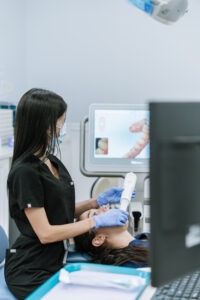
Your child’s first orthodontic appointment is typically focused on understanding how their smile and bite are developing.

The orthodontist may evaluate:

  • The position of the teeth
  • The way the upper and lower teeth fit together
  • Jaw development
  • Facial growth
  • Available space for permanent teeth
  • The eruption pattern of permanent teeth
  • Oral habits that may affect development

Depending on your child’s needs, diagnostic records such as photographs or X-rays may also be recommended.

After the evaluation, you’ll have a better understanding of whether your child needs treatment, should be monitored, or can wait until a later stage of development.

When Should My Child See an Orthodontist?

The AAO recommends an initial orthodontic check-up no later than age 7, but parents shouldn’t feel that age 7 is a strict starting point for braces.

If you notice something concerning before age 7, there’s no reason to wait. And if your child is already older than 7, it’s certainly not too late to schedule an evaluation.

The ideal time to begin orthodontic treatment varies from child to child. Some children may need early treatment, while many begin orthodontic treatment later, depending on their dental development and specific needs.

Early Evaluation Doesn’t Always Mean Early Treatment

One of the most important things parents should know is that early evaluation is about timing—not automatically starting treatment early.

Sometimes the best treatment plan is to wait.

By evaluating your child while they are growing, an orthodontist can identify potential concerns and monitor changes over time. If treatment eventually becomes necessary, your child’s orthodontist can recommend the timing and approach that best fits their individual development.

At Rockaway Beach Orthodontics & Pediatric Dentistry, our goal is to provide personalized care based on each child’s unique smile, bite, growth, and needs.

Early Orthodontic Care in Rockaway Beach, Queens

If you’re wondering whether your child is ready for an orthodontic evaluation, you don’t have to wait until their teeth are fully grown in.

Rockaway Beach Orthodontics & Pediatric Dentistry proudly provides orthodontic and pediatric dental care for children and families in Rockaway Beach, Howard Beach, Belle Harbor, Lawrence, Linwood, and throughout Queens and the surrounding Long Island communities.

An early orthodontic evaluation can give you peace of mind and help ensure that your child’s developing smile is on the right track.

Have questions about your child’s teeth, bite, or jaw development? Contact Rockaway Beach Orthodontics & Pediatric Dentistry to schedule an evaluation and learn whether early orthodontic treatment may be right for your child.
What Causes an Overbite? Understanding Overbites in Children, Teens & Adults

An overbite is one of the most common orthodontic concerns we see at Rockaway Beach Orthodontics & Pediatric Dentistry. If your child, teen, or even you have an overbite, you may be wondering what causes it, whether it needs treatment, and when you should see an orthodontist.

An overbite occurs when the upper front teeth extend too far over the lower front teeth when the mouth is closed. A small amount of overlap is normal, but a deeper overbite may affect your bite, tooth wear, jaw function, or the appearance of your smile.

At Rockaway Beach Orthodontics & Pediatric Dentistry, we evaluate the entire smile—including the teeth, bite, jaws, and facial development—to determine what may be contributing to an overbite and whether orthodontic treatment is recommended.

What Causes an Overbite?

There isn’t always one single cause of an overbite. In many cases, a combination of genetics, jaw development, tooth position, and childhood habits can contribute.

1. Genetics

Genetics can play a major role in the development of an overbite. If parents or other family members have an overbite, crowded teeth, or certain jaw characteristics, a child may be more likely to develop similar orthodontic concerns.

The size and position of the upper and lower jaws, the size of the teeth, and the way the teeth develop can all have a genetic component.

2. Jaw Development

An overbite isn’t always caused by the teeth themselves. Sometimes, the way the upper and lower jaws developcontributes to the bite.

For example, if the upper jaw is positioned farther forward relative to the lower jaw, or if the lower jaw develops differently, the upper front teeth may appear to overlap the lower teeth more significantly.

That’s why an orthodontic evaluation looks at more than whether teeth appear straight. Your orthodontist evaluates how the teeth and jaws work together.

3. Thumb Sucking and Pacifier Habits

Certain childhood oral habits can influence the development of the teeth and jaws.

Prolonged thumb sucking or pacifier use may place pressure on the developing teeth and palate. Depending on the habit and how long it continues, it may contribute to changes in tooth position or bite development.

Not every child who sucks their thumb or uses a pacifier will develop an overbite, but discussing persistent habits with your pediatric dentist or orthodontist can be helpful.

4. Tongue Position and Oral Habits

The tongue plays an important role in the development and function of the mouth. Tongue thrusting or certain patterns of tongue positioning can place pressure on the teeth and may contribute to orthodontic problems in some patients.

An orthodontist can evaluate your child’s bite and determine whether an oral habit may be contributing to their orthodontic concerns.

5. Crowding and Tooth Position

Sometimes, the way individual teeth erupt can contribute to the appearance of an overbite. Crowded, tilted, or improperly positioned teeth may affect how the upper and lower teeth come together.

This is one reason it’s important to evaluate the entire bite rather than focusing on one or two teeth.

6. Missing or Early-Lost Baby Teeth

Baby teeth help maintain space for permanent teeth. When a primary tooth is lost earlier than expected, neighboring teeth can sometimes shift into that space.

Changes in spacing and tooth position can affect how permanent teeth erupt and how the bite develops. Regular pediatric dental visits can help monitor your child’s dental development and identify concerns early.

7. Teeth Can Shift Over Time

Overbites aren’t only something children experience. Teeth can move throughout life, and adults may notice changes in their bite or smile over time.

Previous orthodontic treatment, changes in tooth position, and not wearing a retainer as recommended can contribute to teeth shifting after braces or aligner treatment.

What Does an Overbite Look Like?

A normal bite includes some overlap between the upper and lower front teeth. An orthodontist can determine whether the amount of overlap is within a healthy range.

Signs that may indicate a deeper overbite include:

  • Upper front teeth significantly covering the lower front teeth
  • Lower teeth biting into the roof of the mouth
  • Difficulty biting or chewing
  • Excessive tooth wear
  • Jaw discomfort or fatigue
  • Changes in the appearance of the smile
  • Difficulty keeping certain teeth clean

It’s important to remember that you can’t always determine the severity of an overbite just by looking in the mirror. A professional orthodontic evaluation can provide a much clearer picture.

Can an Overbite Be Fixed?

In many cases, yes, an overbite can be treated with orthodontics. The appropriate treatment depends on the patient’s age, dental development, severity of the overbite, jaw relationship, and overall orthodontic needs.

Treatment options may include:

  • Traditional braces
  • Clear aligners for appropriate cases
  • Orthodontic appliances
  • Growth modification or early orthodontic treatment for certain children
  • Other specialized orthodontic approaches based on the individual patient’s needs

There is no single treatment that works for every overbite. Orthodontic treatment should always be customized to the patient.

When Should My Child See an Orthodontist for an Overbite?

Parents don’t need to wait until all of their child’s permanent teeth have erupted to ask about orthodontics.

The American Association of Orthodontists recommends that children have their first orthodontic evaluation by age 7. An early evaluation doesn’t necessarily mean your child will need braces right away. Instead, it gives an orthodontist an opportunity to monitor dental and jaw development and determine whether treatment could be beneficial.

Early identification can be particularly helpful when a child has a noticeable overbite, underbite, crossbite, significant crowding, or other developing orthodontic concerns.

Can Adults Get Treatment for an Overbite?

Absolutely. It’s never too late to ask about orthodontic treatment.

Adults can develop or notice changes in their bite for a variety of reasons. Depending on the individual case, braces or clear aligners may be options for improving tooth alignment and bite.

At Rockaway Beach Orthodontics & Pediatric Dentistry, we work with patients at different stages of life to develop treatment plans based on their individual needs and goals.

Overbite Treatment in Rockaway Beach, Queens & Beyond

An overbite can be more than a cosmetic concern. Because your bite affects how your teeth come together and function, it’s important to understand what’s causing the problem before deciding on treatment.

At Rockaway Beach Orthodontics & Pediatric Dentistry, our team provides orthodontic and pediatric dental care for children, teens, and adults throughout Rockaway Beach and the surrounding Queens communities, including Belle Harbor, Howard Beach, Lawrence, and Linwood.

If you or your child has a noticeable overbite, crowded teeth, or concerns about how the bite is developing, an orthodontic evaluation can help determine what’s happening and whether treatment is recommended.

Ready to take a closer look at your smile? Contact Rockaway Beach Orthodontics & Pediatric Dentistry to schedule an orthodontic consultation.

3 Quick Tips for Keeping Your Child’s Smile Healthy In Queens NY

A healthy smile starts with healthy habits. At Rockaway Beach Orthodontics & Pediatric Dentistry, we believe that great oral health begins at home and is supported by regular dental care. By teaching children good dental habits early, parents can help prevent cavities, encourage healthy development, and build confidence that lasts a lifetime.

Here are three simple ways to keep your child’s smile bright and healthy.

1. Brush and Floss Every Day

Brushing twice a day with fluoride toothpaste is one of the best ways to protect your child’s teeth from cavities. Children should brush for two minutes in the morning and before bedtime, and floss once a day as soon as two teeth touch.

For younger children, parents should supervise brushing to ensure every tooth is cleaned properly. Making brushing fun with timers, music, or reward charts can help establish a lifelong routine.

2. Choose Tooth-Friendly Snacks

What your child eats has a big impact on their oral health. Sugary snacks and drinks feed the bacteria that cause cavities, while nutritious foods help build strong teeth and gums.

Healthy choices include:

  • Fresh fruits and vegetables
  • Cheese and yogurt
  • Nuts (when age-appropriate)
  • Water instead of sugary juices or soda

Limiting sticky candies and frequent snacking can also reduce the risk of tooth decay.

3. Schedule Regular Dental Checkups

Routine dental visits allow your child’s dentist to monitor their oral development, provide professional cleanings, and detect small problems before they become bigger ones.

The American Academy of Pediatric Dentistry recommends children visit the dentist every six months. Regular checkups also help children become comfortable with dental visits, reducing anxiety and creating positive experiences.

At Rockaway Beach Orthodontics & Pediatric Dentistry, we make every appointment fun, educational, and stress-free for children of all ages.

Give Your Child a Healthy Smile That Lasts

Healthy smiles don’t happen by accident—they’re built through good daily habits and regular professional care. By encouraging consistent brushing and flossing, choosing nutritious snacks, and keeping up with routine dental visits, you can help your child enjoy strong teeth for years to come.

If you’re looking for a trusted pediatric dentist in Rockaway Beach, our caring team is here to help your family every step of the way. Whether your child is due for a cleaning, needs preventive care, or it’s time for an orthodontic evaluation, we’re committed to providing personalized, compassionate care in a welcoming environment.

Schedule an appointment with Rockaway Beach Orthodontics & Pediatric Dentistry today and give your child every reason to smile!


orthodontist howard beach ny

Sheepshead Bay: Everything You Need to Know Before Getting Braces

A Guide for Families in Sheepshead Bay

Sheepshead Bay: If you’re considering braces for yourself or your child, you’re probably wondering where to start. From choosing the right orthodontist to understanding treatment options and costs, there are plenty of questions to answer before beginning your smile journey.

At Rockaway Beach Orthodontics & Pediatric Dentistry, we help patients from across Queens and Brooklyn—including the Sheepshead Bay area—feel confident every step of the way. Here’s everything you should know before getting braces.

When Is the Right Time for Braces?

Many parents assume braces don’t come into the picture until the teenage years, but the American Association of Orthodontists recommends children have their first orthodontic evaluation around age 7. An early evaluation doesn’t necessarily mean your child will need braces right away. Instead, it allows an orthodontist to monitor jaw development and identify any concerns before they become more complicated.

Braces aren’t just for kids, though. More adults than ever are choosing orthodontic treatment to improve their smile, bite, and long-term oral health.

Signs You May Need Braces

You may benefit from orthodontic treatment if you have:

  • Crooked or crowded teeth
  • Gaps between teeth
  • An overbite, underbite, or crossbite
  • Difficulty chewing or biting comfortably
  • Teeth that don’t line up properly when you close your mouth

A professional consultation is the best way to determine which treatment option is right for your smile.

What Types of Braces Are Available?

Today’s orthodontic treatment is more comfortable and discreet than ever before. Depending on your needs, your orthodontist may recommend:

Traditional Metal Braces

Modern metal braces are smaller, more comfortable, and highly effective for treating everything from simple to complex orthodontic cases.

Clear Ceramic Braces

Clear braces offer the same reliable results as traditional braces while blending in with your natural teeth, making them a popular choice among teens and adults.

Custom Braces

Advanced systems like LightForce® custom braces are designed specifically for your unique smile, allowing for precise treatment planning and efficient tooth movement.

What Happens During Your First Appointment?

Your first orthodontic consultation is simple and stress-free.

During your visit, your orthodontist will:

  • Take digital photos and X-rays if needed
  • Evaluate your teeth, bite, and jaw alignment
  • Discuss your smile goals
  • Recommend the best treatment option
  • Review your estimated treatment timeline
  • Answer any questions about financing or insurance

At Rockaway Beach Orthodontics & Pediatric Dentistry, patients receive personalized treatment plans from board-certified orthodontists who take the time to explain every step of the process.

How Long Do Braces Take?

Every smile is different, but most orthodontic treatments last between 12 and 24 months.

Treatment length depends on factors like:

  • The complexity of your case
  • Your age
  • How well you follow treatment instructions
  • Keeping scheduled adjustment appointments

Do Braces Hurt?

Most patients experience mild soreness for a few days after braces are placed or adjusted. This is completely normal and usually goes away quickly.

Soft foods, orthodontic wax, and over-the-counter pain relievers (when appropriate) can help make the adjustment period more comfortable.

Caring for Your Braces

Keeping your braces clean is one of the most important parts of treatment.

Be sure to:

  • Brush after every meal
  • Floss daily using orthodontic tools
  • Avoid sticky, chewy, and very hard foods
  • Wear rubber bands or other appliances exactly as instructed
  • Attend all scheduled adjustment appointments

Following these simple habits helps keep your treatment on schedule.

Why Families from Sheepshead Bay Choose Rockaway Beach Orthodontics & Pediatric Dentistry

Although we’re located in Rockaway Beach, many families from Sheepshead Bay and surrounding Brooklyn neighborhoods choose our practice because we offer comprehensive care in one convenient location.

Our patients appreciate:

  • Board-certified orthodontists
  • Pediatric dentistry and orthodontics under one roof
  • Treatment for children, teens, and adults
  • Modern technology and customized treatment plans
  • Flexible scheduling and payment options
  • A friendly, family-focused environment

Whether your child is getting their first orthodontic evaluation or you’re finally ready to invest in your own smile, our team is here to make the process comfortable and enjoyable.

Schedule Your Free Orthodontic Consultation

If you’re searching for braces near Sheepshead Bay, our experienced team at Rockaway Beach Orthodontics & Pediatric Dentistry is ready to help you achieve a healthy, confident smile.

Contact us today to schedule your complimentary orthodontic consultation and discover which treatment option is right for you or your child.


Our team is all smiles for our Sheepshead Bay families.
Greeting a patient at the front desk. Our team is all smiles for our Sheepshead Bay families.

Why Summer Is the Perfect Time to Start Braces in Rockaway Beach

Summer in Rockaway Beach is all about sunshine, family time, and making memories by the ocean. While many families are focused on vacations and beach days, it’s also one of the best times of year to begin orthodontic treatment. If you’ve been considering braces for your child, teen, or even yourself, summer offers unique advantages that can make the transition smoother and more comfortable.

More Time to Adjust Before School Starts

One of the biggest benefits of starting braces during the summer is having extra time to adjust before returning to school. The first few weeks of orthodontic treatment often involve getting used to new routines, learning how to care for braces, and adapting to minor discomfort.

By beginning treatment during summer break, patients can settle into their new routine without the added stress of school schedules, homework, sports, and extracurricular activities. When the first day of school arrives, they’ll already feel comfortable with their braces and confident in their smile.

Flexible Scheduling for Busy Families

Summer often provides greater flexibility for families. Without the demands of the school year, it’s easier to schedule orthodontic consultations, braces placement appointments, and follow-up visits.

Parents can take advantage of convenient appointment times while children are out of school, reducing the need to miss class later in the year. Starting treatment during summer can help establish a consistent orthodontic schedule that fits seamlessly into your family’s routine.

A Head Start on a Beautiful Smile

Orthodontic treatment is an investment in your child’s long-term oral health and confidence. Starting braces during the summer means every month counts toward achieving a healthier, straighter smile.

By beginning treatment now, patients are one step closer to seeing noticeable improvements sooner. Whether it’s correcting crowding, gaps, bite issues, or alignment concerns, getting started early can help create lasting results.

Easier Adjustment to New Eating Habits

After braces are placed, patients need to avoid certain foods that can damage brackets and wires. Summer provides a more relaxed environment to learn these new eating habits without navigating crowded school cafeterias or lunchtime routines.

Fortunately, there are plenty of braces-friendly summer favorites to enjoy, including:

  • Yogurt and smoothies
  • Soft fruits like watermelon and bananas
  • Pasta dishes
  • Soft sandwiches
  • Ice cream and frozen yogurt
  • Grilled fish and tender proteins

Learning what works best during the summer helps patients build confidence before school resumes.

Boost Confidence Before the New School Year

Many parents choose summer orthodontic treatment because it allows children and teens to begin the school year with confidence. By the time classes start, patients have already adapted to their braces and established proper oral hygiene habits.

For teenagers especially, feeling comfortable with braces before returning to school can make a significant difference in their confidence and overall experience.

Summer Sports and Smile Protection

Rockaway Beach is known for its active lifestyle. From beach volleyball and surfing to community sports leagues, summer is filled with opportunities to stay active.

If your child participates in sports, starting orthodontic treatment provides the perfect opportunity to discuss custom mouthguards and proper smile protection. Protecting teeth and braces during athletic activities helps ensure treatment stays on track.

Why Early Orthodontic Evaluations Matter

The American Association of Orthodontists recommends that children have their first orthodontic evaluation by age 7. Early evaluations allow orthodontists to identify potential issues before they become more complex.

Common concerns that may benefit from early treatment include:

  • Crowded teeth
  • Crossbites
  • Underbites
  • Overbites
  • Jaw growth concerns
  • Impacted teeth

Even if treatment isn’t needed immediately, an early evaluation helps create a personalized plan for your child’s future smile.

Start Your Smile Journey This Summer

There’s never a bad time to improve your smile, but summer offers unique advantages that make orthodontic treatment easier, more convenient, and less stressful. With flexible schedules, time to adjust, and the opportunity to start the school year with confidence, summer is truly one of the best seasons to begin braces.

If you’ve been thinking about orthodontic treatment for yourself or your child, now is the perfect time to schedule a consultation and take the first step toward a healthier, more confident smile.


Dr. grace and office manager, Andrea, with a patient who’s braces just came off!

Sleep Apnea & Orthodontics in Rockaway Beach

Young patient being treated with pediatric dental services.

Do you wake up feeling tired even after a full night of sleep? Do you snore loudly, breathe through your mouth, or struggle with daytime fatigue? These may be signs of sleep apnea — a common but serious sleep disorder that can affect both children and adults.

At Rockaway Beach Orthodontics & Pediatric Dentistry, we believe orthodontics is about more than straight teeth. The way your jaws, bite, and airway develop can play a major role in how well you breathe and sleep. That’s why orthodontic treatment can sometimes be an important part of improving sleep apnea symptoms and supporting better overall health.

What Is Sleep Apnea?

Sleep apnea is a condition where breathing repeatedly stops and starts during sleep. The most common form is obstructive sleep apnea (OSA), which happens when the airway becomes blocked during sleep.

Common symptoms of sleep apnea include:

  • Loud snoring
  • Restless sleep
  • Mouth breathing
  • Waking up gasping for air
  • Morning headaches
  • Daytime fatigue
  • Difficulty concentrating
  • Teeth grinding
  • Behavioral issues in children

Sleep apnea can affect adults and children alike, and many people don’t realize they have it.

How Orthodontics and Sleep Apnea Are Connected

Orthodontics focuses on the alignment of the teeth and jaws — but jaw structure also affects the airway.

A narrow upper jaw, crowded teeth, improper bite, or recessed lower jaw can contribute to restricted airflow during sleep. When the airway becomes too narrow, breathing may become more difficult, especially at night.

Orthodontic treatment can help improve airway development and support healthier breathing patterns in certain patients.

Signs Your Child May Have Sleep-Related Breathing Issues

Many parents are surprised to learn that children can experience sleep apnea too. Early evaluation can make a big difference.

Signs to watch for include:

  • Chronic mouth breathing
  • Snoring in children
  • Difficulty sleeping
  • Bedwetting
  • Hyperactivity or trouble focusing
  • Dark circles under the eyes
  • Crowded teeth or narrow palate

Because jaw growth happens during childhood, orthodontic treatment at the right time may help guide proper airway and facial development.

Orthodontic Treatments That May Help Support Airway Health

Every patient is different, but some orthodontic treatments may help create more room for the tongue and airway.

Palatal Expansion

A narrow upper jaw can reduce nasal airflow. Palatal expanders are used to widen the upper jaw, potentially improving breathing space and reducing crowding.

Early Orthodontic Treatment

Interceptive orthodontics can guide jaw growth while children are still developing. Early treatment may help address airway-related concerns before they worsen.

Bite Correction

Improving the alignment of the jaws and bite can sometimes help reduce airway restriction and improve oral function.

Collaboration With Sleep Specialists

Orthodontists often work together with ENTs, pediatricians, and sleep physicians to help patients receive comprehensive care for sleep-disordered breathing.

Why Airway-Focused Orthodontics Matters

Sleep affects every aspect of health — including growth, learning, energy levels, and heart health. Addressing airway concerns early may help improve:

  • Sleep quality
  • Daytime energy
  • Focus and behavior in children
  • Athletic performance
  • Overall wellness

At Rockaway Beach Orthodontics & Pediatric Dentistry, we take a comprehensive approach to orthodontic care by evaluating more than just teeth alignment. We look at facial growth, bite development, and airway health to help patients achieve healthier smiles and better quality of life.

When Should You Schedule an Evaluation?

If you or your child experience snoring, mouth breathing, crowded teeth, or signs of poor sleep, it may be time for an orthodontic evaluation.

Early detection is important, especially for children whose jaws are still growing. Even adults who already use CPAP therapy may benefit from an orthodontic consultation to explore additional treatment options.

Schedule a Consultation at Rockaway Beach Orthodontics & Pediatric Dentistry

If you’re looking for an orthodontist who understands the connection between sleep apnea, airway health, and orthodontics, our team is here to help.

Rockaway Beach Orthodontics & Pediatric Dentistry proudly serves patients in Rockaway Beach and surrounding communities including Howard Beach, Queens, Belle Harbor, Lynbrook, Lawrence, Far Rockaway, Woodmere, Cedarhurst, and the greater South Queens and Nassau County areas.

Contact us today to schedule a consultation and learn how orthodontic treatment may help support healthier sleep and breathing for you or your child.

Why Rockaway Beach Parents Are Choosing RBOPD for Their Child’s First Dentist Visit with Dr. Manshadi

For many parents, a child’s first dentist visit feels like a big milestone. You want an office that feels welcoming, patient, and experienced with kids — especially in those early years when children are learning how to feel about dental care for the first time.

That’s one reason more families in Rockaway Beach are choosing RBOPD and Dr. Manshadi for their child’s first dental experience.

A Kid-Friendly Approach That Helps Children Feel Comfortable

A first dental visit should feel calm, positive, and pressure-free. At RBOPD, the team understands that every child is different. Some kids walk right in excited, while others may feel nervous about a new environment.

That’s why appointments are designed to move at a child’s pace. From friendly introductions to gentle explanations of tools and procedures, the goal is to help children build confidence and trust from day one.

Parents Appreciate a More Personal Experience

Families in Rockaway Beach often say they were looking for a pediatric dental office that felt both modern and genuinely caring. Parents want more than a quick appointment — they want a doctor who takes time to answer questions, explain development, and help them understand how to care for their child’s smile at home.

Dr. Manshadi focuses on creating that relationship with both children and parents, helping families feel informed and supported throughout every stage of growth.

Creating Positive Dental Habits Early

Early dental experiences can shape how children feel about oral health for years to come. A positive first visit can help reduce dental anxiety, encourage healthy habits, and make future appointments easier.

During first visits, parents can also learn about:

  • Proper brushing techniques for young children
  • Thumb sucking and pacifier habits
  • Nutrition and cavity prevention
  • Teething and dental development
  • When orthodontic evaluations may be helpful

Convenient for Rockaway Families

Parents also love having a trusted pediatric dentist close to home. Whether families are coming from Belle Harbor, Neponsit, Breezy Point, or other parts of the peninsula, RBOPD offers convenient care right in the local community.

For busy families balancing school schedules, beach days, sports, and activities, having a dependable dental office nearby makes a big difference.

When Should a Child First Visit the Dentist?

Most pediatric dental experts recommend scheduling a child’s first dental visit by their first birthday or within six months of the first tooth appearing.

These early visits are usually simple, gentle, and focused on prevention and education. They also give parents an opportunity to ask questions and help children become comfortable with the dental office environment.

A Trusted Choice for Growing Smiles in Rockaway Beach

Choosing a pediatric dentist is an important decision for any parent. Families throughout Rockaway Beach continue choosing RBOPD because of the warm atmosphere, experienced pediatric care, and commitment to making children feel comfortable from the very first visit.

Whether it’s your baby’s first tooth or your child’s first official dental appointment, Dr. Manshadi and the RBOPD team are focused on helping kids build healthy, confident smiles for life.

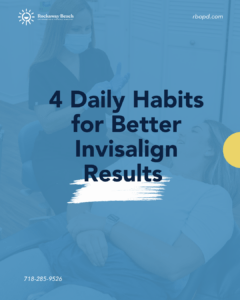
4 Invisalign Habits That Will Help You Get Faster, Better Results

If you’re starting your journey with Invisalign, you’re probably wondering: how can I get the best results as quickly as possible?

The truth is, Invisalign works incredibly well—but your results depend heavily on your daily habits. At Rockaway Beach Orthodontics & Pediatric Dentistry, we’ve seen firsthand that patients who follow a few simple routines finish faster, with better, more predictable results.

Here are 4 Invisalign habits that make all the difference

1. Wear Your Aligners 20–22 Hours a Day

This is the most important rule—no shortcuts.

Invisalign trays are designed to apply gentle, consistent pressure to move your teeth. If you’re not wearing them enough, your teeth won’t track properly, which can delay your progress.

Pro tip: Only take them

 out for eating, drinking (anything besides water), and brushing.

Skipping hours here and there might not seem like a big deal—but it adds up quickly and can extend your treatment time.

2. Always Put Your Aligners Back in Right After Eating

It’s easy to forget… and that’s exactly the problem.

Leaving your aligners out after meals is one of the most common reasons treatment gets delayed. The longer they’re out, the less effective they are.

Make it a habit:
Finish eating → brush → aligners back in immediately.

This one small routine can keep your treatment right on schedule.

3. Keep Your Aligners Clean (and Your Teeth Cleaner)

Oral hygiene matters even more with Invisalign.

Since aligners sit snugly over your teeth, any food particles or plaque can get trapped—leading to bad breath, staining, or even cavities.

Best practices:

  • Brush after every meal
  • Rinse your aligners regularly
  • Clean them daily (not just with water)

At our Rockaway Beach office, we always remind patients: a clean aligner = a healthier, better-looking smile.

4. Stay Consistent With Your Tray Changes

Switching aligners on schedule is key to staying on track.

Each set of trays is carefully planned to move your teeth step-by-step. Delaying your switch—or switching too early—can affect your results.

Follow your doctor’s instructions closely and don’t “guess” your schedule.

Consistency here ensures your teeth are moving exactly as planned.

Why These Habits Matter

Invisalign is all about consistency. The patients who see the best results are the ones who treat these habits like second nature.

At Rockaway Beach Orthodontics & Pediatric Dentistry, we focus on personalized care and guidance every step of the way—because no two smiles are the same.

Start Your Invisalign Journey in Rockaway Beach

Thinking about Invisalign for yourself or your child?

Our team at Rockaway Beach Orthodontics & Pediatric Dentistry is here to help you achieve a confident, healthy smile with a treatment plan tailored just for you.

📍 Serving Rockaway Beach, Queens, and surrounding communities
📞 Schedule your consultation today and take the first step toward your best smile

Choosing the Right Orthodontist in Howard Beach, NY for Your Child or Teen

Choosing the right orthodontic and dental office plays a big role in how your child feels about care, both now and as they grow. When you search for an orthodontist in Howard Beach, NY, you want more than clinical skill. You want a team that listens, explains, and treats you and your family with patience and respect. 

That’s where Rockaway Beach Orthodontics and Pediatric Dentistry stands out! We welcome families from Howard Beach who want high-quality orthodontics and pediatric dentistry under one roof. Let’s talk about what makes Rockaway Beach Orthodontics and Pediatric Dentistry stand out.

Why Howard Beach Families Choose Rockaway Beach Orthodontics and Pediatric Dentistry

There are lots of reasons why Rockaway Beach Orthodontics and Pediatric Dentistry is perfect for families in Howard Beach. Here are a few of them!

We’re Only a Short Drive Away

Many parents in Howard Beach find that the 26-minute drive is worth it when their child’s appointments run smoothly, and their kids feel at ease. When comparing options for an orthodontist in Howard Beach, NY, families often look for consistency, clear communication, and a team that understands how kids grow.

We Offer a Family-Friendly and Suburban-esque Environment

Rockaway Beach Orthodontics and Pediatric Dentistry offers a smaller environment, which allows us to fully focus on you and your family’s needs. You’ll see familiar staff members, your appointment flow stays organized, and you won’t feel rushed. This approach helps parents feel confident and helps children feel supported throughout care. Rockaway Beach Orthodontics and Pediatric Dentistry offers a clean, modern office with a welcoming atmosphere, allowing your children to relax during their visits.

The local team also understands family schedules and school commitments. Appointments stay efficient, and our communication remains clear from start to finish. This balance makes the practice a strong fit for families coming from Howard Beach and nearby neighborhoods.

We’ve Got Trained and Capable Doctors

Your child’s smile changes quickly, especially during the growing years. That’s why experience and training matter. Our practice includes two board-certified orthodontists and a board-certified pediatric dentist. Board certification reflects advanced education and ongoing training focused on best practices.

Having orthodontics for all ages and pediatric dental services in the same office also makes care simpler for families. The doctors collaborate closely, which helps our treatment plans stay aligned as your child grows. Parents in Howard Beach love this coordinated approach because it removes guesswork and saves time.

We Support Parents Every Step of the Way

Parents play a major role in their child’s care, and questions about treatment timing, oral hygiene, and long-term outcomes come up often. When you search for an orthodontist in Howard Beach, NY, you want answers that feel honest and easy to understand. That’s why we take time to explain options, expectations, and next steps. You never feel pressured to decide quickly. We want parents to feel confident so they can help their kids feel empowered throughout their treatment.

Young patient being treated with pediatric dental services.

How Can We Help Your Family’s Dental Needs?

Here at Rockaway Beach Orthodontics and Pediatric Dentistry, we offer a variety of treatments to ensure your family’s dental and orthodontic needs are fully met. 

Care for Younger Children That Builds a Strong Foundation

For younger children, early dental and orthodontic care focuses on prevention, guidance, and comfort. These visits help your child build healthy habits while giving parents clear insight into how their smile is developing. At Rockaway Beach Orthodontics and Pediatric Dentistry, pediatric dental care supports oral health from the start. Routine visits help children feel comfortable in the dental chair and confident about caring for their teeth. When orthodontic questions arise, early evaluations help identify spacing, bite concerns, or growth patterns that may benefit from monitoring over time.

Orthodontic Care That Supports Teens Through a Key Growth Stage

The teen years bring major changes, both physically and socially. Orthodontic care during this stage focuses on progress, responsibility, and confidence as growth begins to stabilize. Families exploring Howard Beach braces options often want an orthodontic team that understands teen schedules, school commitments, and the importance of feeling heard. At Rockaway Beach Orthodontics and Pediatric Dentistry, teens are included in conversations about their care. Instructions stay clear, expectations stay realistic, and visits stay efficient. When teens feel respected and involved, they are more likely to stay consistent with treatment and oral hygiene, which supports better long-term results.

Common Questions Howard Beach Parents Ask Before Choosing an Orthodontist

Parents often arrive with the same concerns when looking for an orthodontist or pediatric dentist near Howard Beach. These questions usually come up during the first call or consultation, so it helps to address them early.

How Do I Know If My Child Needs an Orthodontist Yet?

Many parents worry about starting too early or too late. An orthodontic evaluation focuses on how your child’s teeth and jaws are developing, not only on how straight their smile looks today. Some children only need monitoring, while others benefit from early guidance that supports proper growth.

When Should My Child First See an Orthodontist?

Most children benefit from an orthodontic check by age seven. That does not always mean treatment starts right away. It gives the doctor a chance to watch development over time and recommend the right timing if care becomes necessary.

Can My Child See a Pediatric Dentist and Orthodontist in the Same Office?

Yes, and many parents find this helpful. When pediatric dentistry and orthodontics share one space, care stays coordinated as your child grows. You avoid juggling appointments at different offices, and treatment planning stays consistent.

What Makes This Practice a Good Fit for Teens?

Teen patients need care that respects their independence while still supporting healthy habits. Appointments stay efficient, explanations stay clear, and the environment feels comfortable rather than intimidating. This balance helps teens stay engaged and confident throughout treatment.

Is It Worth Traveling from Howard Beach for Orthodontic Care?

Absolutely! We’re only twenty minutes from Howard Beach, and we have consistent providers, clear communication, and a welcoming office that makes you feel like you’re right back at home.  

Rockaway Beach Orthodontics and Pediatric Dentistry, the best orthodontists for Howard Beach families!

A Trusted Choice for Howard Beach Families

Choosing a dental and orthodontic home shapes how your child views care for years to come. Families from Howard Beach continue to choose Rockaway Beach Orthodontics and Pediatric Dentistry because of its experienced doctors, friendly team, and family-centered approach. From early dental visits to orthodontic care for teens, the practice supports your child at every stage. 

If you’re looking for a trusted orthodontist in Howard Beach, NY, or a pediatric dental team that truly understands children and teens,  Rockaway Beach Orthodontics and Pediatric Dentistry is ready to help. Schedule your free consultation now and take the next step toward a healthy, confident smile for your child!

Hello world!

Welcome to WordPress. This is your first post. Edit or delete it, then start writing!